Sunday, April 14, 2013

Cleaning Cloth Diapers


The cleaning: As I mentioned before, we decided to use the Laundromat down the street to clean our cloth diapers along with our other laundry. There are a couple of methods you can use to handle dirty cloth diapers. Some suggest just storing them in a closed plastic trash can or laundry bag with baking soda or scented oils on the bottom to keep smells out. I tried that, it still stinks! Others suggest having a “wet pail”, which is basically a closed lid bucket or trash you keep filled with water and let the diapers soak until you’re ready to wash. I tried that, it still stinks! By the time I got to the laundry mat with wet or dried on pee or poop diapers, I was a walking trail of stink. It was truly a walk of shame. I’d throw the diapers in the wash and quickly shut the washing machine door before anyone noticed the stench was coming from me. It wasn’t horrible like NYC trash on hot summer day stink; it was more like ammonia (the lingering pee smell) mixed with a faint smell of poop stink. It’s bearable in your own home with your own washing machine, but not fair to other public laundry users. So, my husband said “Forget about the Laundromat, I’ll just hand wash them myself”. After I picked my jaw up off the floor, I realized he was serious. He’s a frugal man, and on that day, I saw he’s the world’s best dad and I can’t wait to tell our daughter that he hand washed her poop diapers. I will say this only works for us because he’s at home with her during the day. If our daughter was in day-care or had another caretaker I might have gone with the all-in-one diaper plan and the dry bag that we’d hand wash ourselves at night.
Now my husband’s routine may sound overwhelming, but really it’s not that bad. And I usually take on the tasks during the weekend when I’m home all day. The baby goes through about 6-10 pre-folds and maybe 2-3 diaper covers a day depending on if the diaper covers get wet or dirty. In a whole day, only 2 or 3 of the diaper changes have poop. So as the day goes by and she does her business, my husband just takes out
page3image31232
the pre-fold from the diaper cover and rinses it with water to get the pee out. Then he sets it aside in a bucket or in the tub or bathroom sink until he can wash it with soap later in the day. If there’s poop, he shakes or scrapes the solids into the toilet, then follows the same routine as the pee diapers. Some cloth diaper users use handheld sprayers attached to the toilet or bath to spray off the poopy diapers, but I didn’t find it necessary to invest in. At the end of the night, he gets his bucket and soap and hand washes the small pile of dirty pre-folds. Then, he wrings them out and hangs them to dry. If he has a heavier load, I occasionally help out or hang out with him in the bathroom while he does the washing. Then, we either hang them in the bathroom or on a clothesline we put up in her room. It may sound crazy but it works and isn’t a big burden at all. On a few occasions, the loads did pile up in which case we were sometimes left with our stinky bucket problem. But it never lasts long and by changing the water we are able to buy ourselves another odor-free day. If we are really behind, we resort to the laundry method we started with but that is only on a rare occasion. We use Dr. Bronners Baby Mild Soap or sometimes just use the baby’s SheaMoisture Raw Shea Chamomile & Argan Oil Baby Head-To-Toe Wash & Shampoo. There was a short period when we started introducing Leena-Deen to different foods so she was going through more diapers while her body adjusted. My husband was washing more diapers each night and started getting raw chapped hands, so I bought him some dishwashing gloves and later even ordered a Wonder Washer for $60 which is basically a plug in cleaning appliance that swishes around a small load of clothes. Think of it as an oversized blender for clothes. It didn’t work when it arrived (busted motor) and after testing out the replacement, we both realized we were better off hand washing in a bucket and using a stick to swish the clothes around. Needless to say, I returned the item. Good old fashioned hand washing worked for us. Maybe on our next round with our a second child, I might want to find something to assist us with wringing out the diapers. But I’m hoping that by baby #2, we’re living in a bigger place where we can utilize an energy efficient washer/dryer. However, knowing my husband, we’ll probably be using a bicycle or solar powered machine!

Dominique's cloth diapering step-by-step


The backstory: My husband and I wanted to do cloth diapering to save money, save the earth, and protect our baby’s bum. We live in NYC which is already so full of people and trash, and my husband and I simply didn’t want to contribute to any more waste. Long story short, I did a lot of research and learned that disposable diapers for the first 2 1⁄2 years can cost up to $3000 whereas re-useable diapers are only a fraction of that.

The research: I originally considered using a diaper service (yes, they still exist). After a bit of cost analysis I soon crossed that off the list because it didn’t fit my family budget. Depending on the type of cloth diaper you choose, a diaper service can run you between $35 and $50 a week. Next, I considered getting a small washer/dryer combo for our apartment in order to do our own washing at home. I had to cross that option off my list because I found out we weren’t allowed to have one in our building. Otherwise the washer and dryer would have been roughly $800-$1500, plus the cost of the diapers. Without that option, my husband convinced me we could manage and make use of the Laundromat down the street from our house. We wash our other clothes there, so why not throw in some cloth diapers? (this arrangement later changed, see my notes in The Cleaning section) Once we settled on the cloth diaper and Laundromat plan, I started researching the whole range of cloth diaper options and prepared to start my shopping.

The Purchase: During the later months of my pregnancy, I obsessively researched all the different brands of cloth diapers, covers, and all-in-ones. The all-in-ones (AIO) are the easiest because they are inserts and diaper covers built into one diaper and only involve one step just like a disposable diaper. However you need more and have to wash more frequently, which would have increased my budget. Actually, before I ruled out the all-in-one diapers, I actually ordered a sample on Ebay which came from China! (I wouldn’t recommend this. Whenever possible, always try to buy local US products, better for our environment and economy).

I finally settled on a combo of waterproof diaper covers with pre-fold cotton diapers. If you are clueless about this whole thing, a diaper cover is a waterproof diaper worn over a cloth diaper or other insert to prevent moisture from getting everywhere. Think of them as a rain coat or shower cap you wear over your underwear. After debating the numerous options, I finally chose the Thirsties brand of diaper covers. I got them on Amazon and they run between $11 and $13 each and they have snaps or Velcro, several different colors and patterns, and they are made in good old USA. I started with a couple of the small newborn size, and then eventually moved up to about 5 pairs of the one size fits all.
page1image25392
page1image25664
page2image568
page2image848
page2image1128
Thirsties diaper covers
Once I settled on my diaper covers, I knew I needed the actual cloth diapers. I knew that I wanted something easy so I opted for pre-fold diapers as opposed to the ones that are small blanket size you have to fold into a diaper yourself. I decided to go with the unbleached cotton pre-folds. They have Indian ones and Chinese ones and the only difference is that one is slightly softer and one may last longer. There’s a better breakdown (here). Debating between Chinese and Indian wasn’t a big deal for me, but it got me thinking, what about the African method? Is there one? I remember when I was living in Ghana as an exchange student, I often saw babies with no diapers or a simple cloth wrapped around their bum. In rural tribal communities, parents use truly natural methods and don’t use any diapers and instead rely on cues and “elimination communication” to know when babies need to go. I wasn’t quite ready for that, so I chose the unbleached Indian pre-folds by OsoCozy. One pack of six costs about $11 - $12.
As an upgrade from the safety pins our foremothers used, I ordered Snappi hooks to keep the pre-fold closed which are far better than pins since they don’t prick you or baby. They are easy and come in lots of fun colors.
page2image12944
page2image13216
page2image13488
page2image13760
page2image14032
page2image14312
page2image14592
page2image14864
Once I had my set of Snappi fasteners, pre-folds, and diapers in tow, I just needed a baby to put them on. I waited patiently, practiced on dolls, and pillows, and finally, my little girl was born!
Practice Makes Perfect: After Leena-Deen was born, I used the disposable diapers provided by the hospital, family, and friends. While I wanted to get into my cloth diapering routine right away, I was happy to have the free disposables (about a 2 month supply) which made things a little easier in those first few weeks of sleepless nights. If I'm blessed with another baby, I feel confident and ready to do the cloth diapers from day one. (ask me that again when baby #2 comes, lol)
After the first couple months, I easily transitioned from the disposable to the cloth diapers considering I had been researching, watching videos, and practicing for a couple months before I even had a baby. My baby and her bum were comfortable, chemical and rash free, and best of all, I had no trash! In lieu of baby wipes, I used cut up towels and t-shirts which I moistened with a mix of water and Dr. Bronners Baby Mild Soap. When needed, I moisturized her bum with baby oil, coconut oil that me and hubby use, or organic baby lotion. My favorite which you can get from Target is Shea Moisture Organic Raw Shea Chamomile & Argan Oil Baby Healing Lotion.

The cleaning: As I mentioned before, we decided to use the Laundromat down the street to clean our cloth diapers along with our other laundry. There are a couple of methods you can use to handle dirty cloth diapers. Some suggest just storing them in a closed plastic trash can or laundry bag with baking soda or scented oils on the bottom to keep smells out. I tried that, it still stinks! Others suggest having a “wet pail”, which is basically a closed lid bucket or trash you keep filled with water and let the diapers soak until you’re ready to wash. I tried that, it still stinks! By the time I got to the laundry mat with wet or dried on pee or poop diapers, I was a walking trail of stink. It was truly a walk of shame. I’d throw the diapers in the wash and quickly shut the washing machine door before anyone noticed the stench was coming from me. It wasn’t horrible like NYC trash on hot summer day stink; it was more like ammonia (the lingering pee smell) mixed with a faint smell of poop stink. It’s bearable in your own home with your own washing machine, but not fair to other public laundry users. So, my husband said “Forget about the Laundromat, I’ll just hand wash them myself”. After I picked my jaw up off the floor, I realized he was serious. He’s a frugal man, and on that day, I saw he’s the world’s best dad and I can’t wait to tell our daughter that he hand washed her poop diapers. I will say this only works for us because he’s at home with her during the day. If our daughter was in day-care or had another caretaker I might have gone with the all-in-one diaper plan and the dry bag that we’d hand wash ourselves at night.
Now my husband’s routine may sound overwhelming, but really it’s not that bad. And I usually take on the tasks during the weekend when I’m home all day. The baby goes through about 6-10 pre-folds and maybe 2-3 diaper covers a day depending on if the diaper covers get wet or dirty. In a whole day, only 2 or 3 of the diaper changes have poop. So as the day goes by and she does her business, my husband just takes out
page3image31232
page3image31504
page3image31776
page3image32048
the pre-fold from the diaper cover and rinses it with water to get the pee out. Then he sets it aside in a bucket or in the tub or bathroom sink until he can wash it with soap later in the day. If there’s poop, he shakes or scrapes the solids into the toilet, then follows the same routine as the pee diapers. Some cloth diaper users use handheld sprayers attached to the toilet or bath to spray off the poopy diapers, but I didn’t find it necessary to invest in. At the end of the night, he gets his bucket and soap and hand washes the small pile of dirty pre-folds. Then, he wrings them out and hangs them to dry. If he has a heavier load, I occasionally help out or hang out with him in the bathroom while he does the washing. Then, we either hang them in the bathroom or on a clothesline we put up in her room. It may sound crazy but it works and isn’t a big burden at all. On a few occasions, the loads did pile up in which case we were sometimes left with our stinky bucket problem. But it never lasts long and by changing the water we are able to buy ourselves another odor-free day. If we are really behind, we resort to the laundry method we started with but that is only on a rare occasion. We use Dr. Bronners Baby Mild Soap or sometimes just use the baby’s SheaMoisture Raw Shea Chamomile & Argan Oil Baby Head-To-Toe Wash & Shampoo. There was a short period when we started introducing Leena-Deen to different foods so she was going through more diapers while her body adjusted. My husband was washing more diapers each night and started getting raw chapped hands, so I bought him some dishwashing gloves and later even ordered a Wonder Washer for $60 which is basically a plug in cleaning appliance that swishes around a small load of clothes. Think of it as an oversized blender for clothes. It didn’t work when it arrived (busted motor) and after testing out the replacement, we both realized we were better off hand washing in a bucket and using a stick to swish the clothes around. Needless to say, I returned the item. Good old fashioned hand washing worked for us. Maybe on our next round with our a second child, I might want to find something to assist us with wringing out the diapers. But I’m hoping that by baby #2, we’re living in a bigger place where we can utilize an energy efficient washer/dryer. However, knowing my husband, we’ll probably be using a bicycle or solar powered machine!
The remix: My cloth diaper routine was going quite well early on, but I sometimes found myself in a predicament of not having enough pre-folds at my disposal. They are pretty thick, and since I don’t have an outdoor clothes line and wasn’t using a dryer, they took a while to dry inside of my apartment even with a fan. I didn’t want to spend any more money on more pre-folds, so I looked for an alternative and found a 60 pack of 100% cotton flannel pre-folded diapers for $20. The price was too good to be true, so I took a gamble and ordered them on Amazon. 100% Cotton Flannel Prefolded Diapers 60 Pack. They aren’t as thick or absorbent as the pre-folds, but they also dry faster, I can use two at a time, or 1 with a folded wash cloth for extra absorption. And you don’t need to use the Snappi or other pins with these. They are contoured and easily fold in and stay in place under the diaper cover. They are also good to use as wipes and burp cloths. This combination has worked quite well for us. Even though Leena-Deen spends the majority of her time at home, we’re still able to do the diapering on the go. We just bring an extra bag to keep the used diapers in until we’re home to wash them. I had no problem keeping up my routine when I took her to visit my family in LA. And I was happy to use my family’s washer/dryer. When we went on a European trip just
page4image34384
page4image34656
before her first birthday, I opted to buy one pack of diapers since I knew we’d be on the go and didn’t want to bring extra bags I unsure of our washing set-up in each place we were visiting. I brought a small pack from home and also bought a pack of cute natural disposable diapers in Paris. Knowing what I know now, I could probably do the cloth diapering on an international trip with some advance preparation.

Potty Training:
Now, I’m happy to say that through all the trials and tribulations, Leena-Deen is on her way to being diaper free and she’s only 1 1⁄2 . I’m hopeful she’ll be out of diapers and into undies or cloth training pants by age 2. We’re just now embarking on our potty training journey, so I’ll re-cap that in the coming weeks.

Green living = more green in my pocket:
In addition to my daughter’s advancements in potty training, I’m also happy to report that the total I spent on her diapers, soaps, laundry, and other accessories was approximately $350! This is slightly yes than most other cloth diaper users who buy more covers, pre-folds, or all-in-ones and all the other diaper accessories like the cloth wipes and cleaners and bags and average a total cost of $1000 - $1500 which is still considerably less than the $3000 that most spend on disposables, diaper rash creams, and other add-ons. So take a moment to consider if this a line item in your family budget that you want to save on or if you just want to challenge yourself and your family to being more frugal and environmental. With my extra savings, I can set money aside for our first home purchase, buy some cute new cotton underwear for my little lady and I can get nice hand cream and give my hubby a much needed hand massage after doing all that hand washing!

Cloth diapers worked for us and may work for you too! ~Dominique 

Thursday, November 1, 2012

Boobies and Breastfeeding!

babies like to eat! 

I knew from day one I was going to breastfeed and then move on to homemade baby food and then regular food that the whole family eats.

I didn't factor in going back to work and traveling and how that would affect my plan.  but i managed and LD is a nice healthy growing lady.

(warning: personal pics and talk about my boobies and milk ahead).


First stages:

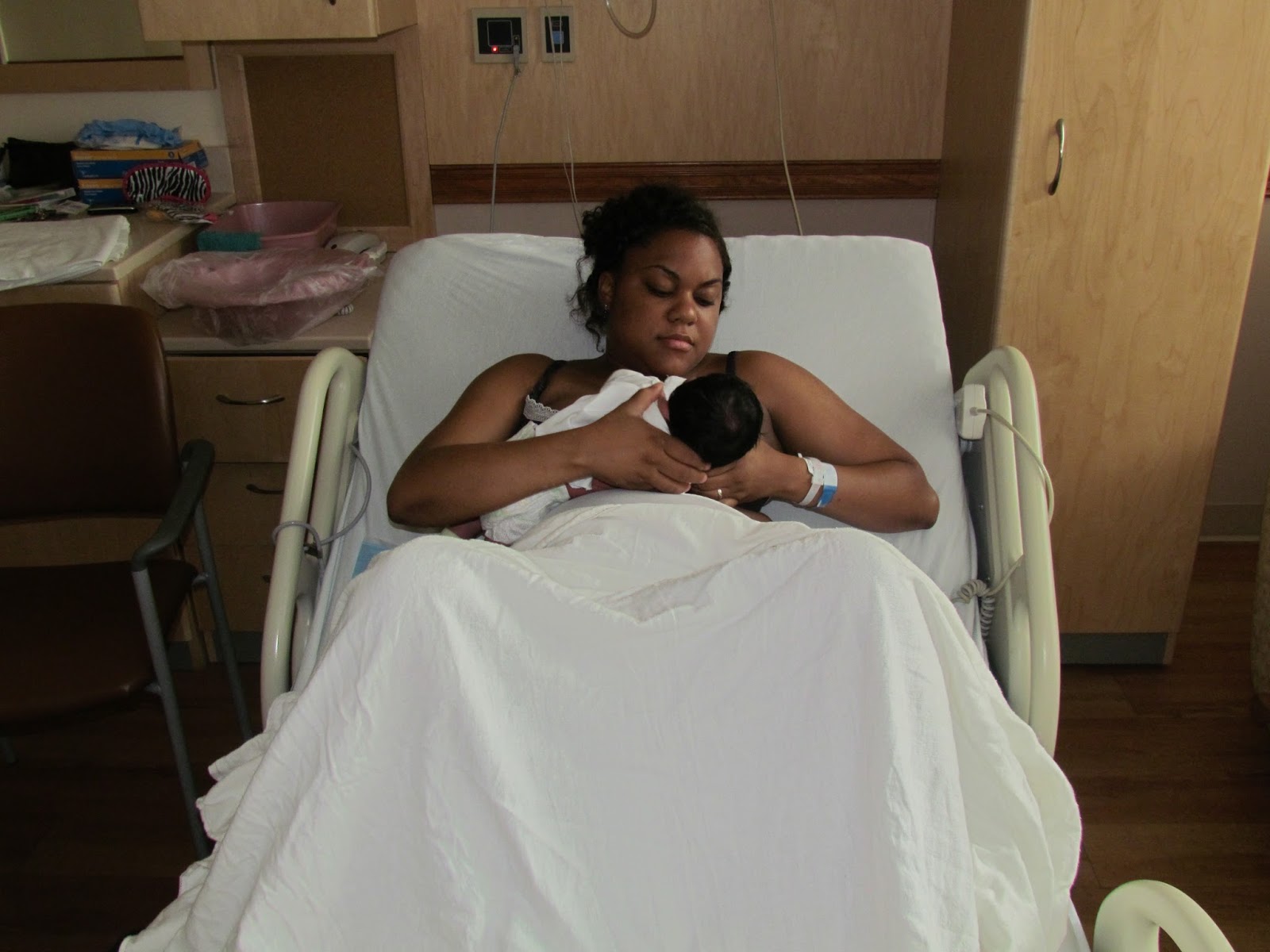
After birth, I immediately started breast feeding. After a couple tries, she latched on pretty easily.
we had nice early feeding sessions in the hospital and she ate and slept around the clock.

Leena-Deen latching on, day after birth

When I brought her home we continued our feeding routine.  In retrospect, I was a little anal about her feeding schedule.  I timed how much time she was on each breast and had a hard time avoiding full and leaky breasts because of how frequently she nursed.  All day, all  night. it was hard and painful the first couple of weeks.  I even feared some feeding sessions because my breasts were so raw.  I used some Lansinoh Lanolin ointment which I had originally received samples of in the mail after registering my email with one of those free baby sample sites.  After a week, nature did its thing and I adapted and it soon became comfortable and beautiful.  Leena-Deen slept like a baby (literally) after her long feeding sessions and I was able to get good sleep too.  (this is why co-sleeping worked very well for us).

When I went back to work, I breastfeed in the morning and then pumped a few botttles for her to have while I was out.    I started off with the Nuby  breast pump my sister-in-law bought for me.  It was cool because I could switch between electric or manual.  Ultimately, I was more comfortable using the manual mode.  As a back up, I also got a Medela Harmony Manual Breast Pump.   This was really easy to use, clean, and transport and the bottles were a perfect size.   They also carry the pump and/or bottles in most drug stores, so if I ever forgot a part or bottle when I was on the road, I could easily pick up a replacement.  I also used the breast milk storage bags by Lansinoh.   I later picked up the Target brand, Up & Up Milk Storage bags.  I pumped 2-3 times at work.   And as soon as I got home, I breastfed again.  It sounds like a lot, but it wasn't that taxing.  I usually read or talked on the phone while pumping and had a cute bag and ice pack case to transport my bottles and milk back from work.

The breastfeeding adventure continued on for over a year, until she started walking and eating fruits and veggies and was no longer interested in being attached to my bosom  :(

I was sad.... truly sad, but as they say kids evenutally grow up.  I just didn't think it would happen so fast since I see other kids breastfeeding when they are two and three years old.

I am looking forward to having another baby so I can once again share my love and nourishment while holding an infant who will actually sit still in my arms, unlike my wild toddler, lol!

Did you breastfeed?  What were some of your most memorable moments?


Friday, October 12, 2012

Cloth Diapering

When I was pregnant, hubby and I decided that we wanted to do cloth diapering for our little lady. It's economical, eco-friendly, baby bum friendly and its how mommies used to do it back in the day.

Men and women wear underwear.  Most of the time we wear cotton underwear.  You handle your business in the toilet, clean up, and cover up with undies.  Simple concept right?  When your undies are dirty, you wash them either in laundry or by hand and use them again.  We've been doing this for years.  So that you don't have to do this everyday, you acquire a few pairs of underwear and wash them and your other clothes maybe once a week or every couple weeks or if you're like me, whenever the heck you can get around to it!

So now throw a baby in the mix.  Your baby doesn't now how to get up and use the toilet just yet, so they handle their elimination process wherever and whenever they feel like it.  Back in the day mothers would keep a cloth around baby bottoms so that they wouldn't make a mess on themselves, others or their surrounding areas.  Then they'd remove the cloth, wash and hang dry, and put on another cloth until that one got dirty.  Same concept as our underwear, just with a few more changes.  Eventually, a baby learned that when they peed or pooped, they'd feel uncomfortable in their own mess and then learned to wait until after cloth was removed to go the bathroom, hence the transition to potty training and regular underwear that they could put on and take off themselves.

But over the years, people got tired of doing this and clever people came up with ways to avoid the constant changing and washing and disposable diapers hit the market.  Genious! Convenient!  Easy!  It was like attaching a toilet to your baby's bottom that would soak up the pee and poop so neither you or baby wouldn't feel it.  No complaints there.

The key to disposable is that you eventually have to dispose of it.  All of the sudden you have "shit loads" (literally) of soiled diapers to deal with.   Before, you could just soak cloth diapers in water to get rid of the pee or wipe the poop in the toilet or bury it in the ground and wash off the cloth and start fresh again.  No trash anywhere, ever!

Now with disposable diapers you have stinky trash.  You also have stinky irritable baby bottoms and rashes from whatever chemicals are in these magical attachable toilets.

So with convenience, we have created another set a problems and need for creams and medicines and air fresheners and trash cans.  For some this is a minor issue, for others it's a big problem.

I choose to cloth diaper and my baby's bottom is a beauty!  Of course I've used disposables - during the first few newborn weeks, when traveling, and on some weekends when me and hubby were backed up on cloth diaper washing or other chores.  the disposables i've used are huggies pure and natural, seventh generation, target, and some European brand I picked up when we went to Paris.

I've used and continue to use various cloth diapers, diaper covers, washes, soaps, natural oils, etc.  for my cloth diaper journey read here 

Tuesday, July 17, 2012

Hello friends.  I'm a new mom.  Last summer, my husband and I were blessed with a little princess named her Leena-Deen.  She's perfectly healthy, beautiful, and happy and I believe this is in part to a higher power as well as the simple techniques I've commited to such as breastfeeding, cloth diapering, baby wearing, food making, adult interaction, and more.  My husband and I have done research and also discussed different ideas and have come up with some of our own practices which I'll share with you all.  

We're far from perfect and this site is dedicated to sharing my trials and tribulations with raising my infant the way mothers did back in the day.  A "throwback" to older practices that in my opinion are better, cleaner, and healthier for our children.  My stories and ideas are not medically approved or official.  Instead, they are rooted in good old fashioned common sense...doctor's don't know everything,and from my own experience, some of the things the doctors, manufacturers, and other "experts" have to say these days are actually making our babies sick, overweight, and reliant on drugs and other medical intervention.  Let us not forget that not too long ago our mothers and grandmothers had babies without medication, without disposable diapers, without vaccines, and without processed baby food and formula.  And guess what, most of their kids are turned out to be happy and healthy adults. 

So lets rewind the clock and take a look at old school practices that I've injected some new life into today.


~Dominique
"the old school mommy"